Designer Diaries: “Will My Designer Actually Listen to Me, or Just Do Their Own Thing?”
This might be the fear I hear most, and honestly, it's one of the fairest ones on the list. So I'm not going to brush past it. I'm going to sit in it with you for a minute, because it deserves a real answer.
Here's the fear, said plainly: you've seen how this goes.
The designer sweeps in, has a capital-V Vision, and suddenly your house looks gorgeous but nothing in it feels like you. It's beautiful, sure. Magazine-ready, even. But it's wearing someone else's personality, and you're the one who has to live inside it every single day, feeling vaguely like a guest in your own home.
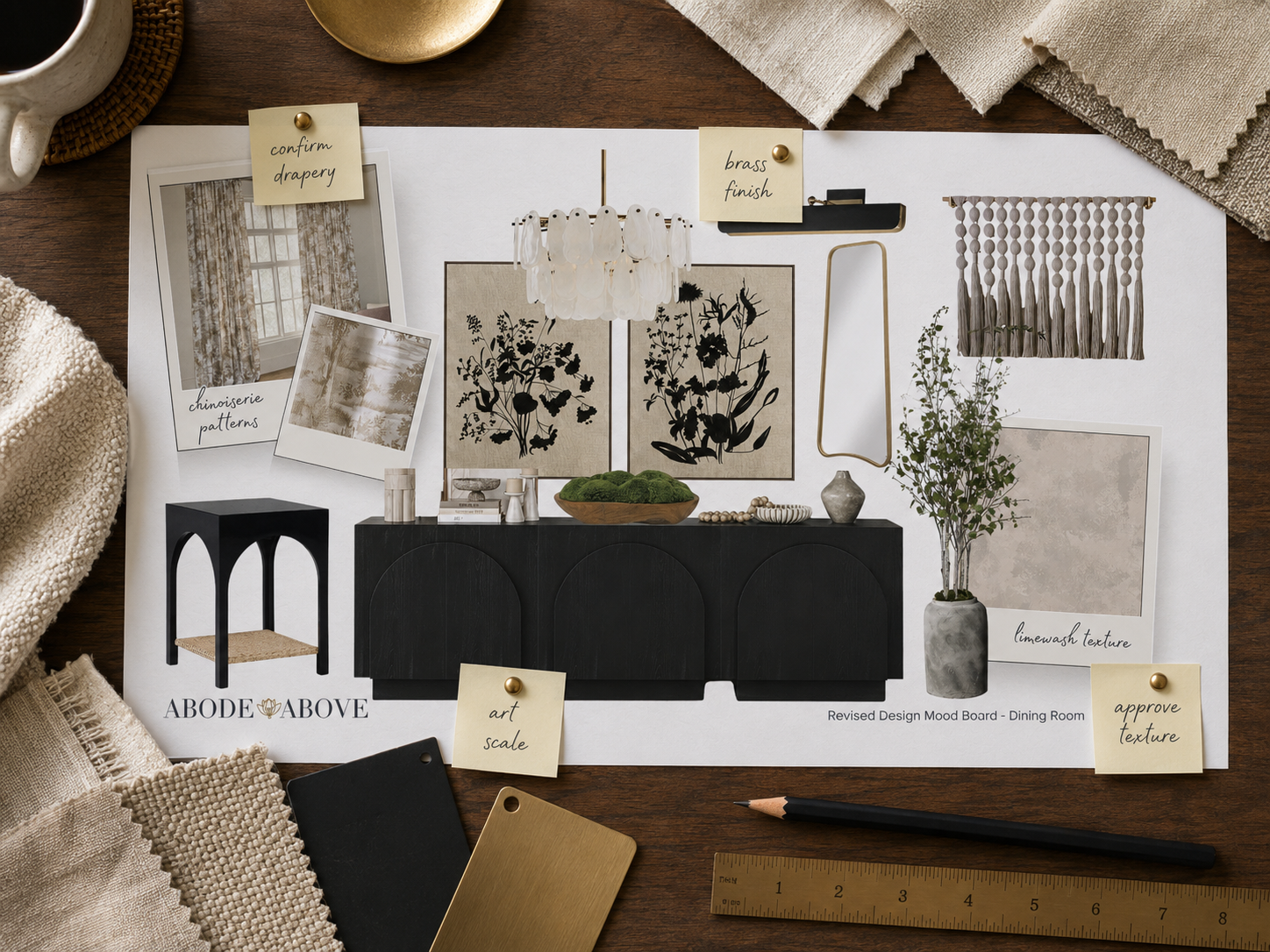
That's a genuinely bad outcome, and I understand why the possibility of it makes people hesitate. Nobody wants to spend real money to feel like a stranger in their own living room. So let me tell you how I actually work, and how any designer worth hiring should work, so you can tell the difference.
Your home is not my portfolio piece. I want to say that again because it's the whole foundation: your home is not my portfolio piece. It's where you live, where you rest, where your people gather, where your actual life happens. My job isn't to stamp my taste on your walls so I have something pretty to post. My job is to take the way you want to feel when you walk in the door and make it real. Usually better than you pictured, because I know the moves to get there that you don't. But it starts and ends with you.
That means the first and most important part of our work together is mostly me listening. And I mean really listening, not nodding while I wait to tell you my idea. I want to know how you actually use the space, not how you think you're supposed to. I want to know what you've always secretly hated. I want to know the one thing you'd save in a fire. I want to know what makes you feel calm and what makes your shoulders climb up to your ears. I want to know whether you host big loud dinners or curl up alone with a book, because those two people need very different rooms.
The design comes out of your answers. Not my mood, not my Pinterest board, not whatever style happens to be trending this season. Yours.
Here's a way to think about it that I find helpful: a good designer is a translator, not a dictator. You already know how you want to feel. You just might not have the vocabulary, the sources, or the technical know-how to get there. That's my half. You bring the life, the story, the way you actually want to move through your days. I bring the plan that makes it real, the spatial sense, the sourcing, the thousand small decisions that turn a feeling into a finished room. Neither half works without the other.
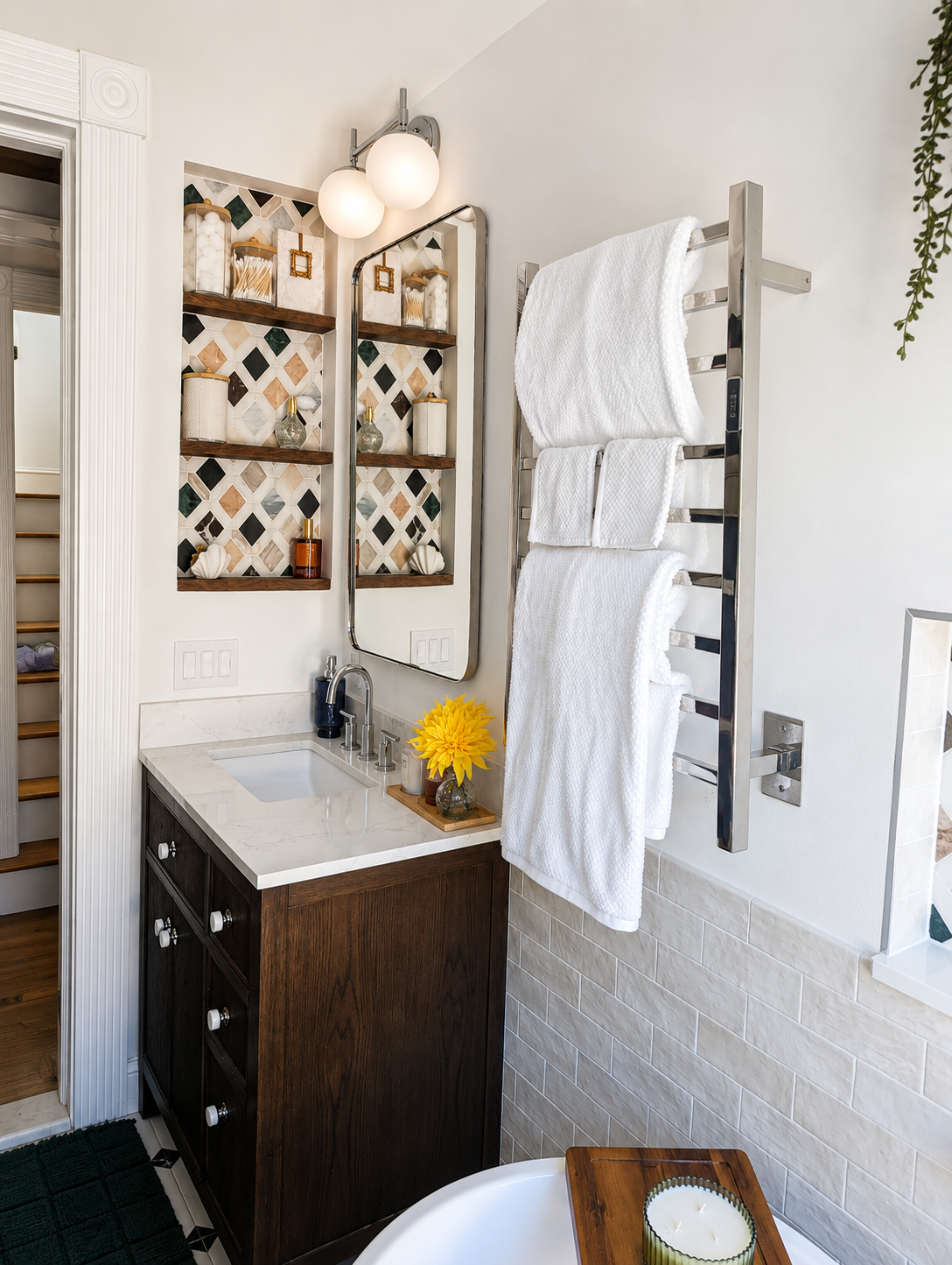
You can actually test for this when you're interviewing designers, by the way. In an early conversation, notice the ratio. Are they talking about their signature look, or are they asking about your life? Do their past projects all look like slight variations of the same room, or do they clearly shift to fit different people? A designer who does great work for a minimalist and great work for a maximalist is a designer who's listening. A designer whose every project looks the same is a designer decorating their portfolio, and you'll be next.
Let me also demystify how the collaboration actually works day to day, because I think part of the fear comes from imagining it as a power struggle, you versus the designer, tug-of-war over every choice. It really isn't like that when it's done well. A good process is built so that your voice is structurally baked in, not something you have to fight to be heard over.
Here's what I mean. When I bring you options, I don't hand you one take-it-or-leave-it vision and dare you to object. I bring you a considered direction with room to react, and I genuinely want your reactions, including the negative ones. "I don't love that" is not me failing. It's information, and it's some of the most useful information I get. Every "no" sharpens the "yes." When you tell me a color feels cold, or a piece feels too formal, or a room feels like it's trying too hard, you're not being difficult, you're steering. That's the job. The rooms that turn out most like the person who lives in them are almost always the ones where the client felt free to push back early and often.
And there's a subtle thing worth naming: your taste and my expertise aren't in competition. People sometimes worry that asserting their preferences means "overriding" the professional, or that deferring to the professional means "losing" their own taste. But those aren't the only two options, and framing it as either/or is exactly what leads to the bad outcomes on both ends, the steamrolled client and the client who insisted on every choice and ended up with a room that doesn't work. The good version is a real back-and-forth. You bring what you love and how you live. I bring why something will or won't work and what the alternatives are. We meet in a place that's better than either of us would have reached alone. That's not a compromise where everybody loses a little. It's a collaboration where the result beats both starting points.
Now, there's a flip side to this fear that I want to name gently, because it holds people back just as much: the worry that you don't even know how to describe your own style, so you'll get steamrolled by default. Maybe you know you love a room when you see it but couldn't tell me why. Maybe your Pinterest board is a mess of things that seem to contradict each other. Maybe you're afraid you'll open your mouth in front of a designer and sound like you have no idea what you want.
First: that's completely normal. Most people can't articulate their taste on command, because nobody ever taught them how. Not knowing the words for what you love doesn't mean you don't have taste. It means you haven't had a framework to organize it yet.
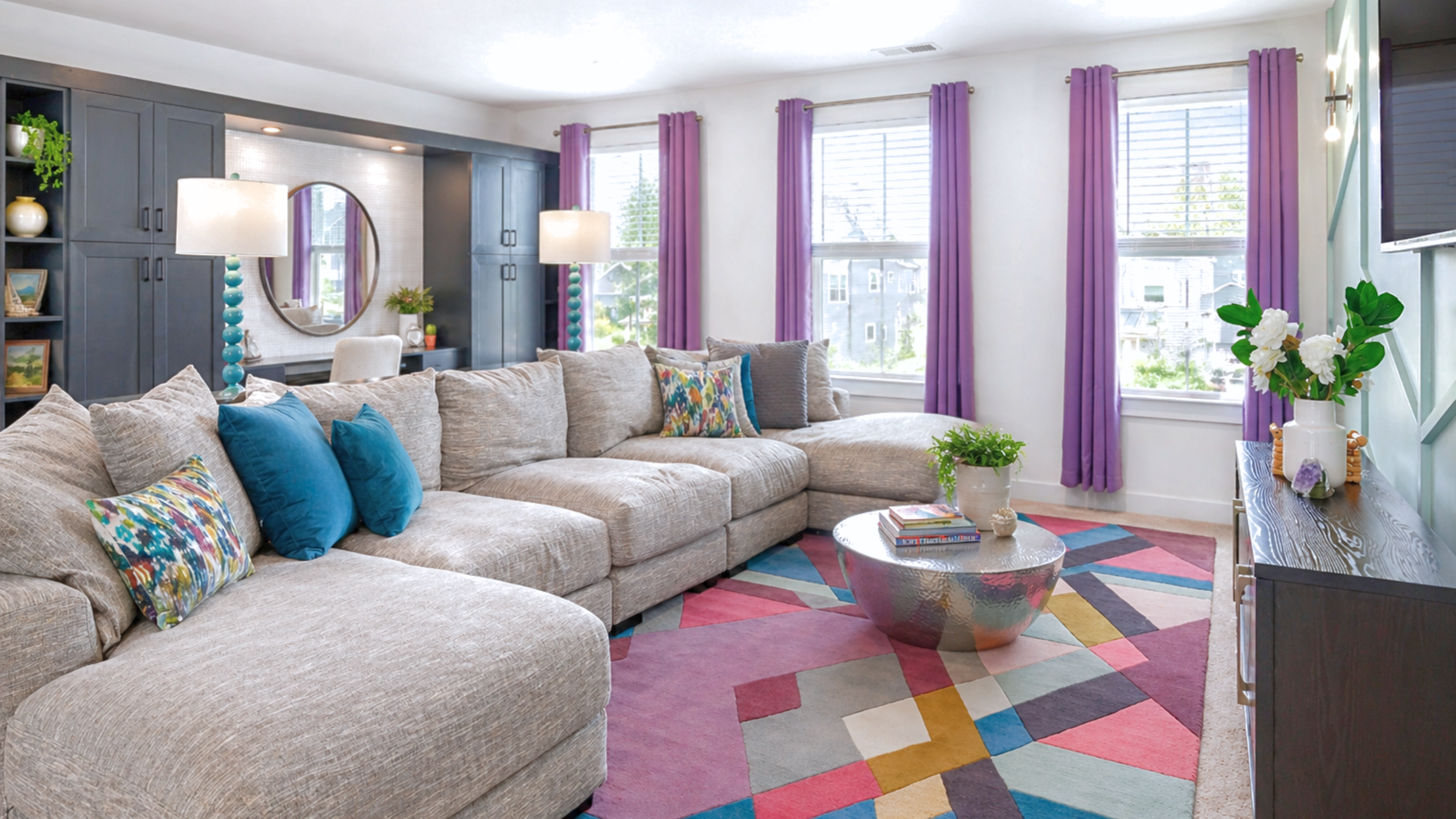
Second: it's fixable, and fixing it is genuinely fun. When you can name what you're drawn to, two great things happen. You feel more confident, and you become almost impossible to steamroll, because you can say "yes, that's it" and "no, that's not me" with real clarity. That's the client every good designer actually wants, because it makes the whole collaboration better.
I'll go a step further and say the clients I've done my very best work with weren't the ones with the most refined taste or the biggest vocabulary for design. They were the ones who knew themselves. They could tell me how they wanted to feel, what they couldn't stand, what mattered and what didn't, and that self-knowledge gave me everything I needed to build something that fit them like a glove. You don't need to speak fluent design. You need to know yourself and be willing to say it out loud. The rest is my job. So the fear of being overrun by a designer's taste has a pretty empowering solution hiding inside it: the more clearly you know your own, the more the final result becomes unmistakably yours.
So grab my free Style Guide. It walks you through pinning down what you actually love and why, so that when you sit down with any designer, me or anyone else, you can say it out loud with confidence. It's the single best way to make sure the home you end up with feels like yours and not someone else's greatest hits. Download it here. Thank me later!